Press Kit Headshot Requirements for Professionals
A press inquiry can move quickly: a conference organizer needs a speaker photo by noon, a journalist needs assets for a profile, or a podcast producer is building an episode page. Press kit headshot requirements are not complicated, but the wrong file can create delays, weak reproduction, or an image that does not represent your current professional position.
Your headshot should be easy for someone else to use without editing, guessing, or asking for a replacement. That means delivering a current, high-resolution portrait that looks like you, holds up across digital and print formats, and aligns with the audience seeing it.
What a Press Kit Headshot Needs to Do
A press kit headshot is not just a good LinkedIn photo copied into another folder. It is a reusable media asset. Editors, event teams, publicists, and company marketers may need to crop it for a website banner, a square social card, a speaker agenda, or a print program.
The goal is simple: make the image professionally credible and technically flexible. Your face should be clearly visible at a small size, while the original file should carry enough detail for larger uses. A polished headshot also helps maintain consistency between your press coverage, company bio, conference appearances, and professional profiles.
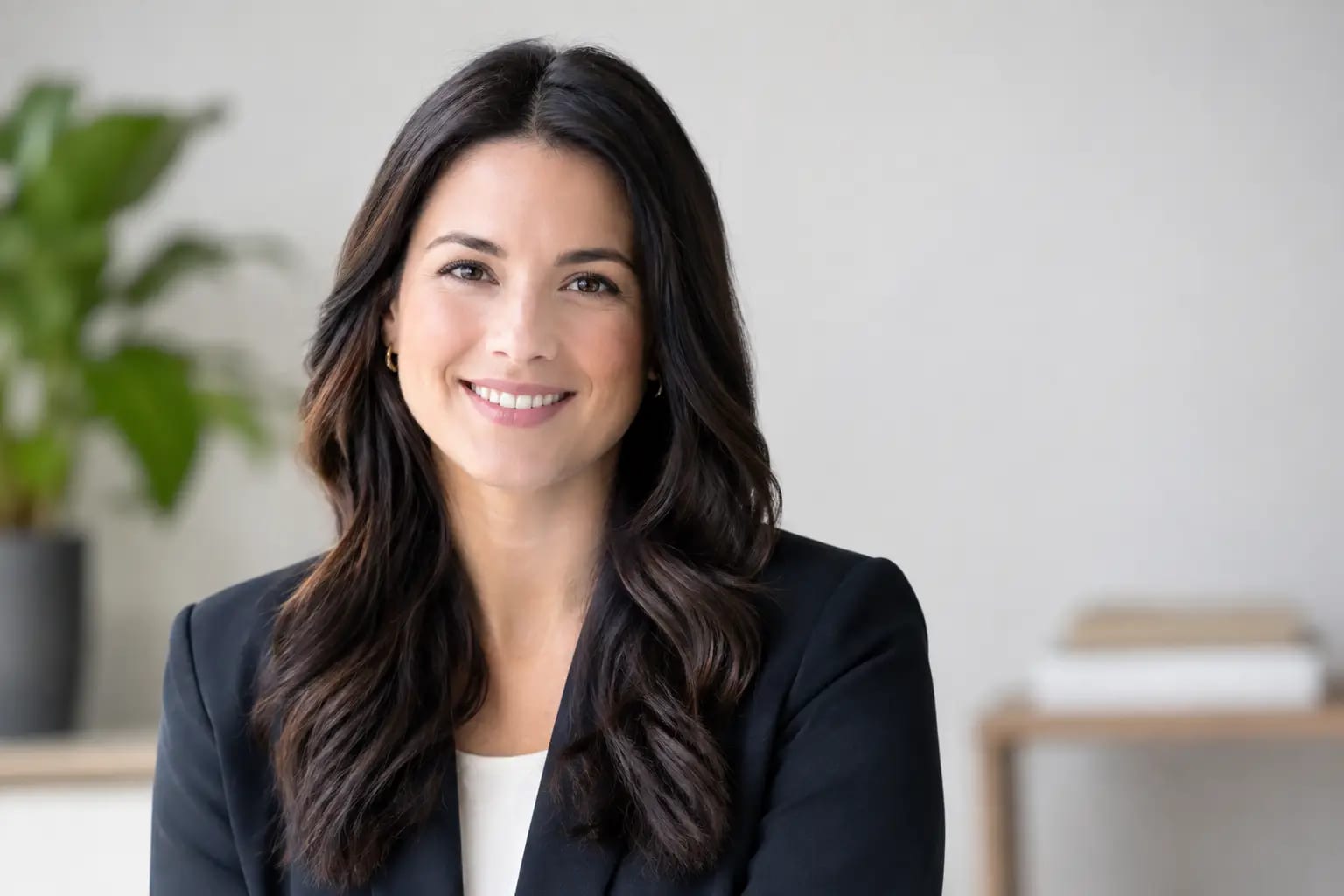
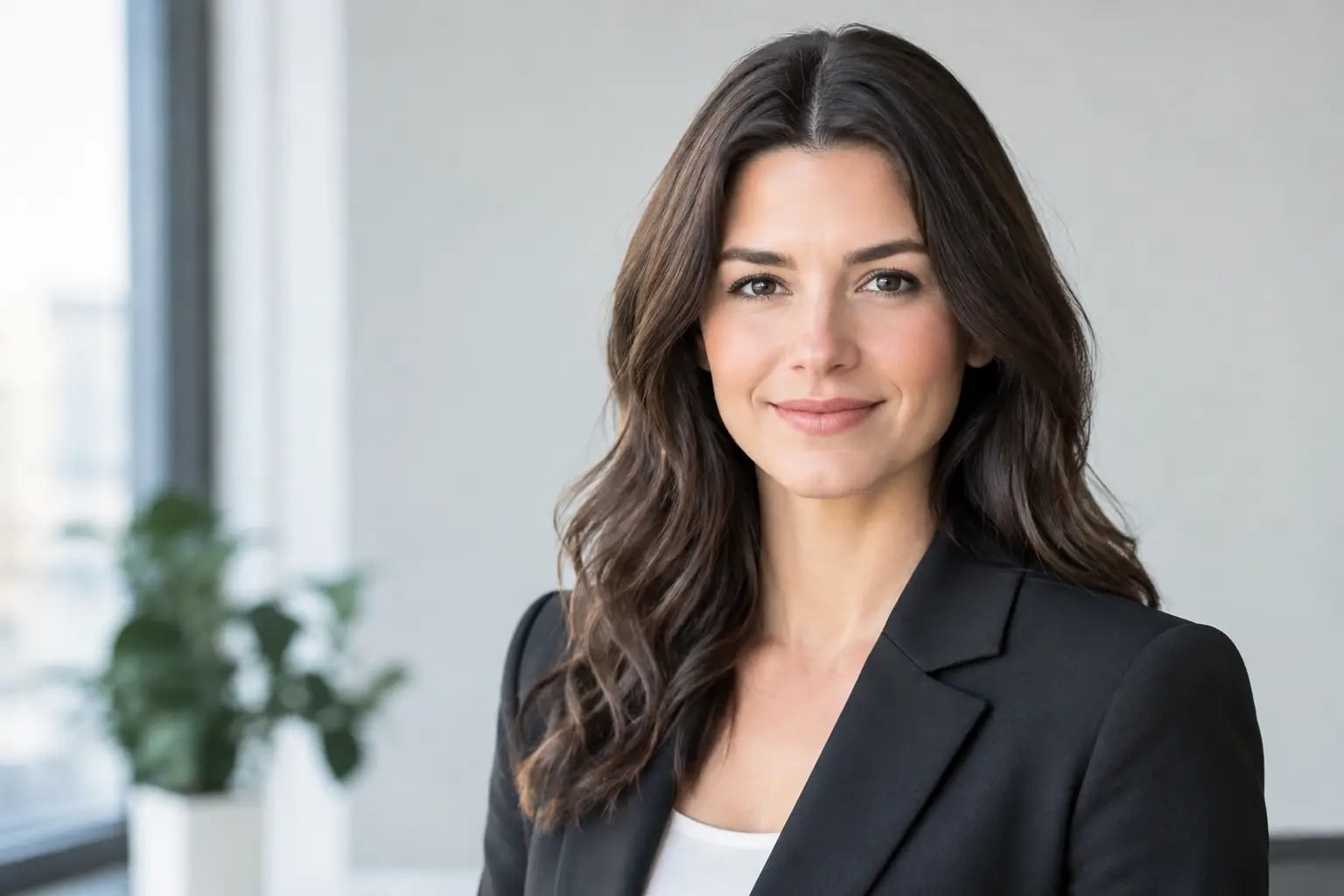
For most professionals, the best choice is a clean portrait from the chest or shoulders up, with natural eye contact and a calm, approachable expression. You do not need a dramatic editorial pose unless your industry or personal brand calls for one.
Core Press Kit Headshot Requirements
Use a current, recognizable image
Your headshot should reflect how you look when you walk into a meeting or step on stage. If your hairstyle, glasses, facial hair, or overall appearance has changed substantially, it is time to update it. Recognition matters more than preserving a photo you happened to like three years ago.
This is especially relevant for executives, consultants, real estate professionals, attorneys, doctors, and job seekers. A current image signals attention to detail before anyone reads your credentials.
Start with a high-resolution original
Submit the largest high-quality version of the image, rather than a screenshot, compressed social-media download, or photo pulled from an email signature. A practical minimum is 1200 pixels on the shortest side, though 2000 pixels or more gives designers more room to work.
JPEG is widely accepted and usually the simplest format for a press kit. A high-quality PNG can also work, particularly when a publication requests it. Avoid sending a tiny thumbnail, a document with the image embedded inside it, or a file that has been repeatedly saved and compressed.
Resolution can be confusing because screens use pixels while print teams may refer to 300 DPI. The pixel dimensions are the more useful starting point. A large, sharp original can be prepared for print; a small web image cannot be convincingly enlarged.
Choose a flexible crop
A vertical portrait crop is usually the most useful primary format for press kits. It gives publications room to crop square, portrait, or slightly wider placements while keeping your face prominent.
Leave modest space above your head and around your shoulders. A tightly cropped image may look fine as a LinkedIn avatar but can become awkward when a designer needs to fit it into a publication template. At the same time, avoid excessive empty space. The image should still read as a headshot, not a distant portrait.
When possible, keep both a portrait crop and a square version in your press materials. The portrait format suits speaker pages, articles, and print programs. The square crop is useful for social graphics, author pages, employee directories, and profile cards.
Keep lighting and background clean
Good lighting is one of the fastest ways to make a headshot usable across platforms. Your face should be evenly lit, with clear eyes, natural skin tone, and enough contrast to remain visible when the image is reduced in size. Harsh shadows, colored lighting, and dim restaurant or event photos tend to reproduce poorly.
A simple background is usually the safest option. Neutral studio tones, soft office environments, or subtle outdoor backgrounds can all work. The key is separation: your clothing and hair should not disappear into the background, and visual clutter should not compete with your face.
For a more formal industry, such as law, finance, healthcare, or corporate leadership, a classic backdrop and professional wardrobe often provide the most longevity. Creative leaders and founders may have more range, but the photo should still feel intentional rather than casual.
Wear what supports your role
Your wardrobe should match the level of formality your audience expects. A blazer, structured top, button-down, or polished business-casual look is dependable for most press uses. Solid colors generally reproduce better than fine patterns, logos, or highly reflective fabrics.
There is no single required outfit. A startup founder speaking at an innovation conference may choose a refined casual look, while a lawyer quoted in a trade publication may prefer a suit. The deciding question is whether the image reinforces the professional context in which you want to be recognized.
Use a natural expression
A press headshot should look composed, alert, and approachable. A slight smile is often the most versatile choice, especially for general business press and speaking opportunities. It is not mandatory to smile broadly, but a stern or disengaged expression can feel out of place unless it is clearly part of your public brand.
Avoid over-editing. Skin texture, natural facial features, and a recognizable likeness build trust. Aggressive retouching can create an image that looks polished at first glance but raises doubts when it does not resemble you in person.
What to Include in Your Press Kit Folder
A journalist or event coordinator should be able to find the right asset in seconds. Use clear filenames such as `FirstName-LastName-Headshot-Vertical.jpg` and `FirstName-LastName-Headshot-Square.jpg`. Generic names like `IMG_4829.jpg` create unnecessary friction.
Include the high-resolution originals, not just cropped web copies. If you maintain more than one approved headshot, keep the selection focused. Two or three strong options are enough: perhaps one neutral studio portrait, one square crop, and one slightly more relaxed version for less formal placements.
A short file note can help when appropriate. For example, identify which image is best for print, which works for a square thumbnail, and whether credit is required. Do not make media contacts sort through ten nearly identical photos to find a usable one.
Common Reasons a Headshot Gets Rejected or Replaced
Most problems are avoidable. The image may be too small, too dark, heavily filtered, outdated, or cropped so tightly that it cannot fit the layout. Group photos, vacation photos, and phone selfies with distracting backgrounds can also look out of place in a professional press kit.
Another issue is mismatch. A company website may use a formal executive portrait while the submitted press photo looks casual and years old. Consistency does not mean every image must be identical, but the visual message should feel connected.
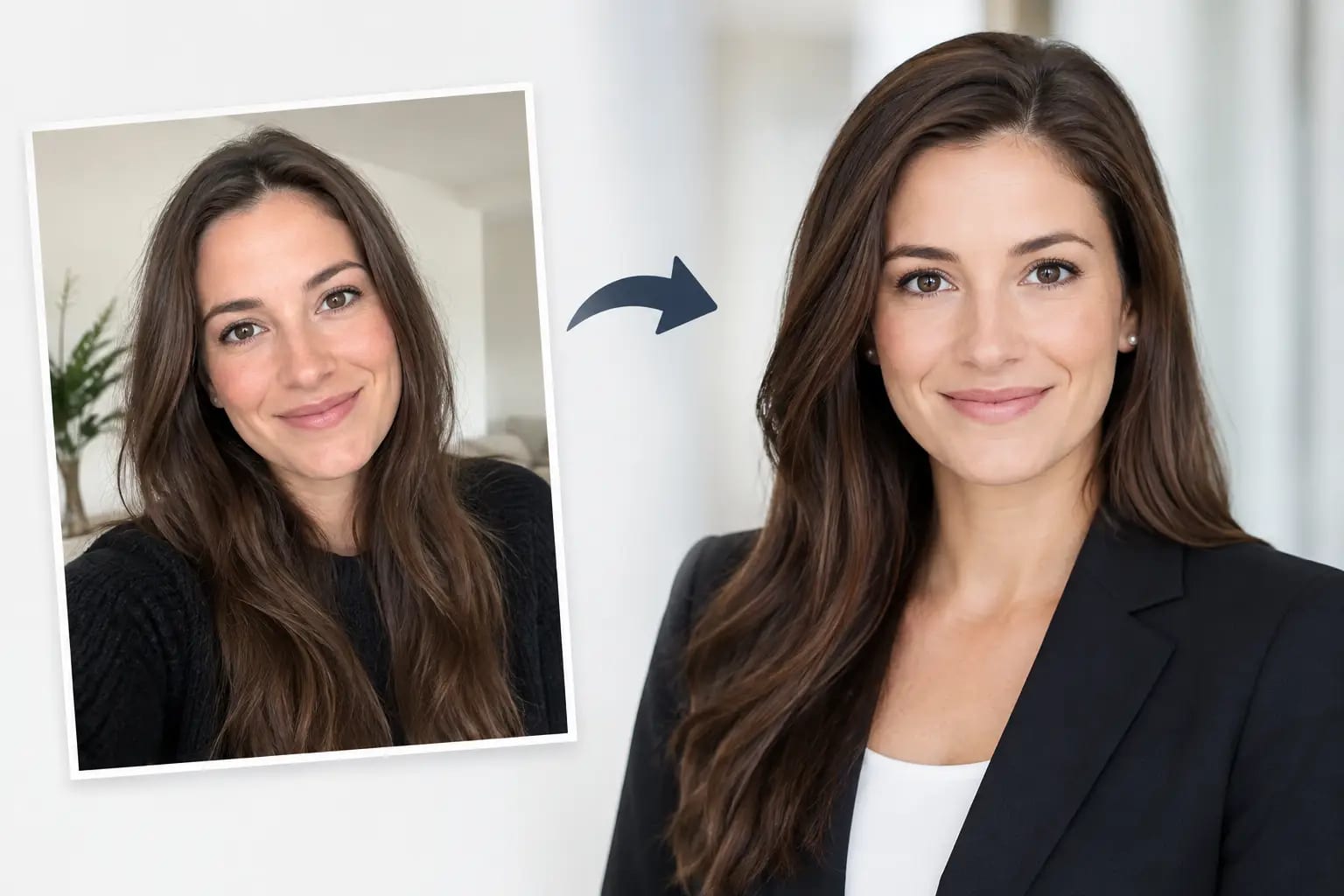
AI-generated headshots deserve the same review. The final image should preserve your likeness, show realistic details around the eyes, hair, hands, and clothing, and avoid unnatural artifacts. A polished result is useful only if it still looks credibly like the person being quoted, hired, or invited to speak.
A Fast Quality Check Before You Send It
Before adding a headshot to your press kit, review it at full size and as a small thumbnail. Ask whether your face is immediately clear, whether the crop gives a designer room to work, and whether the image accurately reflects your current appearance. Then verify that the file is high resolution and named clearly.
If you need a current option without scheduling a studio session, Keeper Headshots can turn a small set of approved selfies into purpose-ready portraits, with likeness checks, artifact detection, and recommended crops for professional use.
The best press kit headshot is not the most stylized photo you own. It is the one that lets the next person publish you with confidence - and lets your professional reputation arrive before you do.